Watermelon Growing & Harvesting Guide
Watermelon (Citrullus lanatus) is the ultimate, high-yielding king of the summer heat. Famed for producing massive, incredibly juicy round fruits with deep pink flesh, this trailing vine nightshade brings pure refreshment to home gardens.





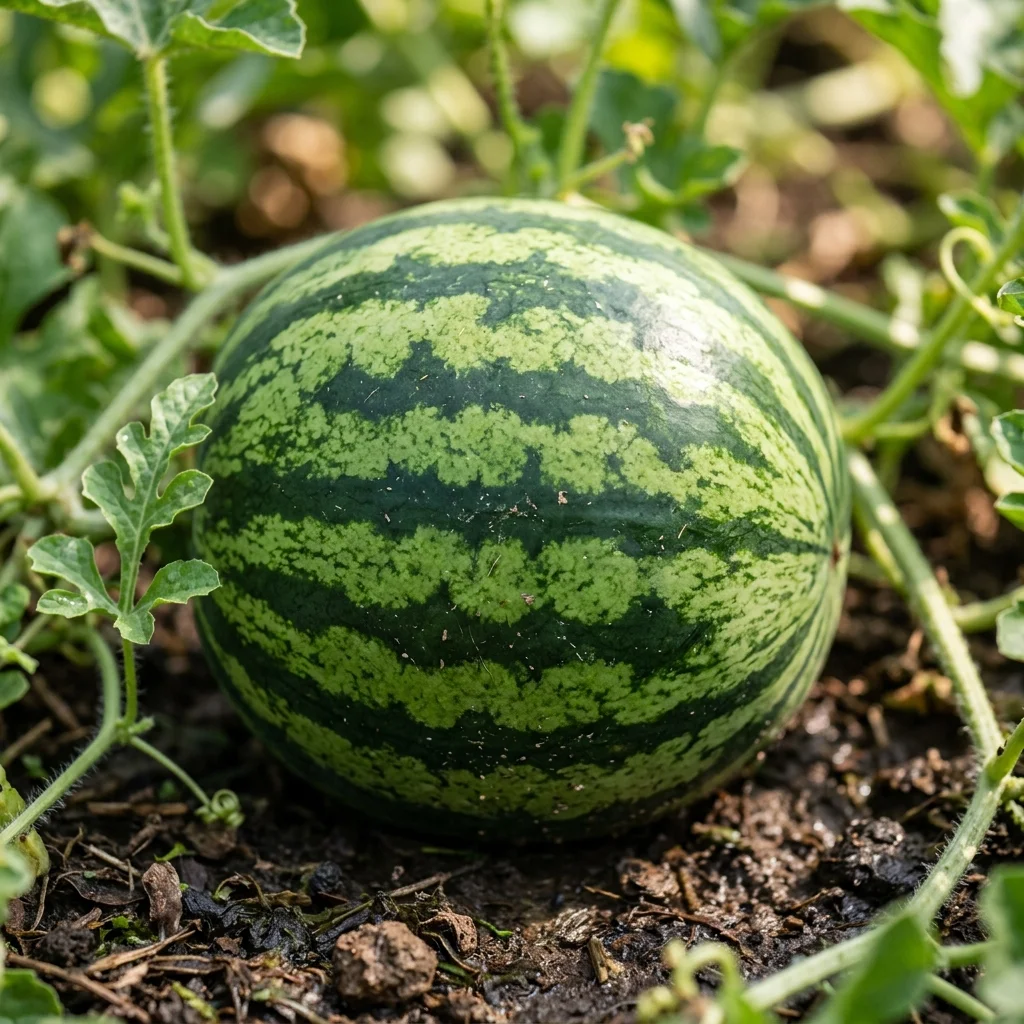
How to Identify Watermelon
Watermelon (Citrullus lanatus) is a highly valued edible crop globally. Recognizing its definitive vegetative and fruit/vegetable structures is key to successful companion growing and harvesting.
-
✔
Key Visual Features: Fast-growing, long trailing hairy green vines sprawling across garden soil beds.
-
✔
Leaf & Stems: Deeply lobed, thick hairy grayish-green leaves; small pale yellow flowers.
-
✔
Fruit/Edible Part: Massive globose fruits with thick green striped rinds and juicy seed-filled red flesh.
Complete Growing & Harvesting Guide
Follow our detailed scientific agricultural cultivation guide to keep your Watermelon thriving and high-yielding.
Common Diseases & Treatment
Anthracnose (Fungal)
Symptoms: Leaves show angular water-soaked spots that turn black. Melons show sunken circular decayed spots.
Fusarium Wilt (Fungal)
Symptoms: Vine leaves turn yellow, wilt rapidly during hot afternoons, and the vine stem base turns brown and rots.
Frequently Asked Questions
Why are my watermelons small and not sweet?
Watermelons need extreme heat, full sun, and deep watering. Limit water intake in the final 2 weeks to concentrate fruit sugars.
How do I tell if a watermelon is ripe on the vine?
Check the ground spot: it must turn from white to creamy yellow. The curly vine tendril closest to the fruit must be completely brown and dead.
Why do my young watermelons rot on the vine?
This is blossom-end rot or poor pollination. Ensure bees are active, water consistently, and add organic calcium to the soil.
Is watermelon safe for dogs and cats?
Yes! Watermelon flesh is highly hydrating and completely safe for pets. However, always remove seeds and the hard green rind before feeding.