Wheat Growing & Harvesting Guide
Wheat (Triticum aestivum), the foundational grain of global civilization, is an exceptionally rewarding cereal crop to observe. Thriving in cool, sunny weather, this adaptable grass requires precise vernalization timing (for winter wheat) and rapid tillering to yield dense, grain-packed spikes.





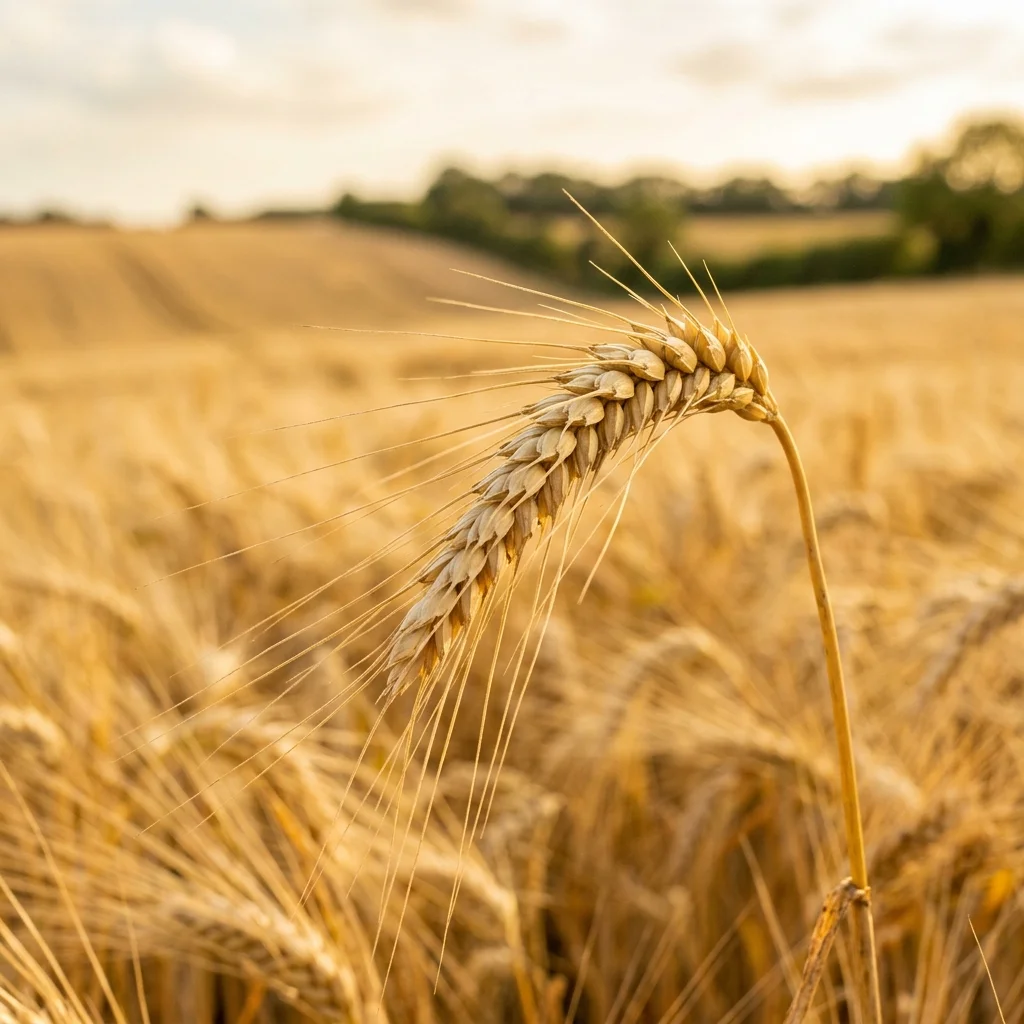
How to Identify Wheat
Wheat (Triticum aestivum) is a highly valued edible crop globally. Recognizing its definitive vegetative and fruit/vegetable structures is key to successful companion growing and harvesting.
-
✔
Key Visual Features: Erect, slender, hollow annual grass stalks growing 2 to 4 feet high in dense clusters.
-
✔
Leaf & Stems: Flat, long grayish-green blades; compact flower spikelets with upright protective awns.
-
✔
Fruit/Edible Part: A terminal dry wheat spike packed with hard, small, golden-brown grain seeds (caryopses).
Complete Growing & Harvesting Guide
Follow our detailed scientific agricultural cultivation guide to keep your Wheat thriving and high-yielding.
Common Diseases & Treatment
Stem Rust (Puccinia graminis)
Symptoms: Elongated, brick-red to dark brown powdery rust pustules erupt on stems and leaf sheaths, weakening stalks and causing collapse.
Powdery Mildew (Blumeria)
Symptoms: Lower leaves develop a dense white to gray powdery fungal coating, reducing photosynthesis and shriveling grains.
Frequently Asked Questions
Q: What is tillering in wheat growth?
A: Tillering is the development of lateral shoots from the crown of the young wheat plant. Each tiller is capable of producing its own seed-bearing head.
Q: What is the difference between spring wheat and winter wheat?
A: Winter wheat is planted in autumn, requires winter freeze (vernalization) to flower, and harvests in summer. Spring wheat is sown in spring and harvests in autumn.
Q: How can I test if wheat grains are ready to harvest?
A: Pinch a grain seed. If it is soft or milky, it is underripe. If it is rock-hard and cannot be indented with your fingernail, it is ready.
Q: Is wheat grass safe for pet cats and dogs?
A: Yes! Wheat grass (sprouted young wheat shoots) is entirely non-toxic to pets. It makes a highly nutritious, enzyme-rich treat for dogs and cats.