Cucurbita pepo

Zucchini Growing & Harvesting Guide

Zucchini (Cucurbita pepo), the highly productive star of summer, is a wonderfully fast-growing squash crop. Prize-winning for its prolific green fruits and edible golden blossoms, this bushy plant demands ample root space, direct hand-pollination guidance, and deep watering.


Sunlight Icon
Sunlight Full Sun (6+ hours)
Watering Icon
Watering Deep / Regular
Soil Mix Icon
Soil pH Rich Loam, Compost-Heavy (pH 6.0-6.8)
Temperature Icon
Target Temp 18°C - 35°C
Toxicity Warning Icon
Toxicity Pet Friendly (Non-toxic)
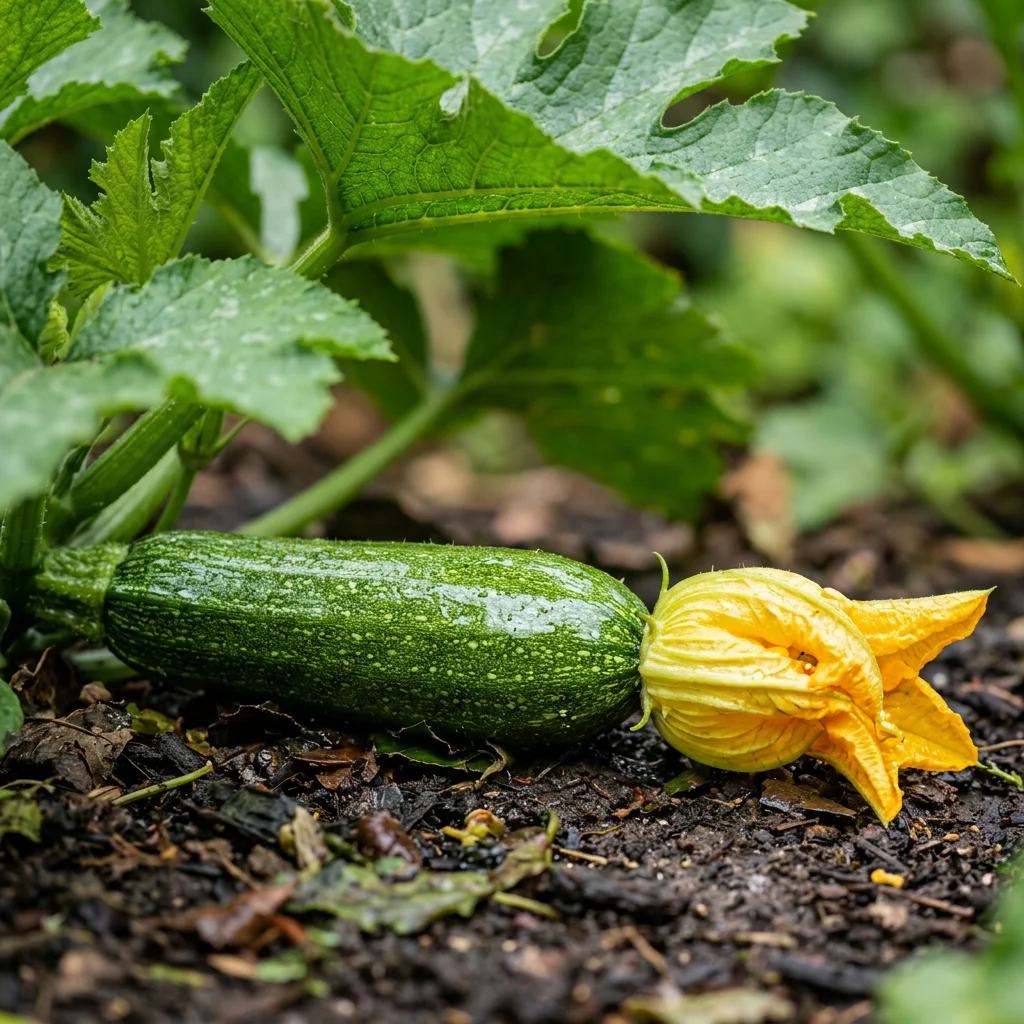
Botanical macro photography of Zucchini (Cucurbita pepo) - Plant AI care database

How to Identify Zucchini

Zucchini (Cucurbita pepo) is a highly valued edible crop globally. Recognizing its definitive vegetative and fruit/vegetable structures is key to successful companion growing and harvesting.

  • Key Visual Features: Bushy, non-climbing plant with large, deeply lobed dark green leaves, often with silver markings.
  • Leaf & Stems: Stems are prickled and sturdy; produces massive bright yellow bell-shaped blossoms.
  • Fruit/Edible Part: Elongated, smooth green cylindrical summer squash fruit with pale green, tender flesh.
💡 Plant AI Tip: Snap a photo with Plant AI to identify garden veggies and diagnose leaf spot diseases in 1 second.

Complete Growing & Harvesting Guide

Follow our detailed scientific agricultural cultivation guide to keep your Zucchini thriving and high-yielding.

Water deeply at the base, delivering 1 to 1.5 inches of water weekly. Keep leaves dry to prevent powdery mildew.
Prune older lower leaves that rest on the ground. This improves light penetration and reduces risk of soil-borne fungal spores.
Heavy feeder. Apply balanced 10-10-10 organic plant food at planting, and top-dress with aged compost when flowering begins.
Thrives in absolute full sun, requiring 6 to 8 hours of unfiltered bright sunlight daily to fuel massive fruit production.
Requires extremely rich, fertile loam heavily amended with organic leaf mold and compost (pH 6.0-6.8). Excellent drainage is vital.
Plant in warm soil after frost. Sow seeds 1 inch deep in small hills spaced 3 feet apart to accommodate broad leaf spread.
Warm-season crop. Growth stalls below 16°C; plant is highly frost-sensitive and will die in freezing temperatures.
Space individual plants 3 feet apart. Dense overcrowding restricts airflow, triggering rapid powdery mildew infections.
Prone to squash bugs and vine borers. Wrap seedling base stems in aluminum foil and monitor leaf undersides.
Susceptible to Powdery Mildew and Blossom-End Rot. Maintain consistent soil moisture to prevent calcium uptake issues.
Harvest zucchini when they are 6 to 8 inches long. Overgrown zucchini turn woody, dry, and lose their delicate sweet flavor.

Is your Zucchini leaves turning yellow, spotted or dying?

Protect your kitchen garden. Take a photo with Plant AI to diagnose pests and crop diseases instantly.

Diagnose My Crop

Common Diseases & Treatment

Blossom-End Rot (Calcium Deficiency)

Symptoms: The bottom end of the developing zucchini turns black, leathery, and starts to rot, caused by poor calcium transport in dry soil.

Action: Keep soil moisture highly consistent; apply organic lime at planting, and avoid high-nitrogen fertilizers which cause growth spurts.

Squash Vine Borer (Melittia)

Symptoms: Vines wilt suddenly and die; small entry holes with sawdust-like frass appear near the soil-level base of the main stalk.

Action: Slit the stem lengthwise, remove the grub, cover stem with moist soil to root, and apply protective row covers in late spring.

Frequently Asked Questions

Why are my baby zucchini rotting and falling off?

This is due to poor pollination. If bees are not active, the female flowers do not get pollinated, causing the baby fruit to shrivel and rot.

How can I hand-pollinate my zucchini plants?

Pluck a fresh male flower, peel back the petals to expose the pollen-dusted anther, and gently rub it against the sticky stigma of a female flower.

Are zucchini blossoms edible to harvest?

Yes! Squash blossoms are a culinary delicacy. Harvest only the male blossoms (long thin stems) to avoid reducing your final fruit yield.

Is raw zucchini safe for pet cats and dogs?

Yes! Zucchini is completely non-toxic to pets. Cooked or raw zucchini makes a safe, fiber-rich, and healthy snack for dogs and cats.

Harvest bountiful greens. Grow healthy edibles today!

Get Started for Free