Kochia Identification & Control
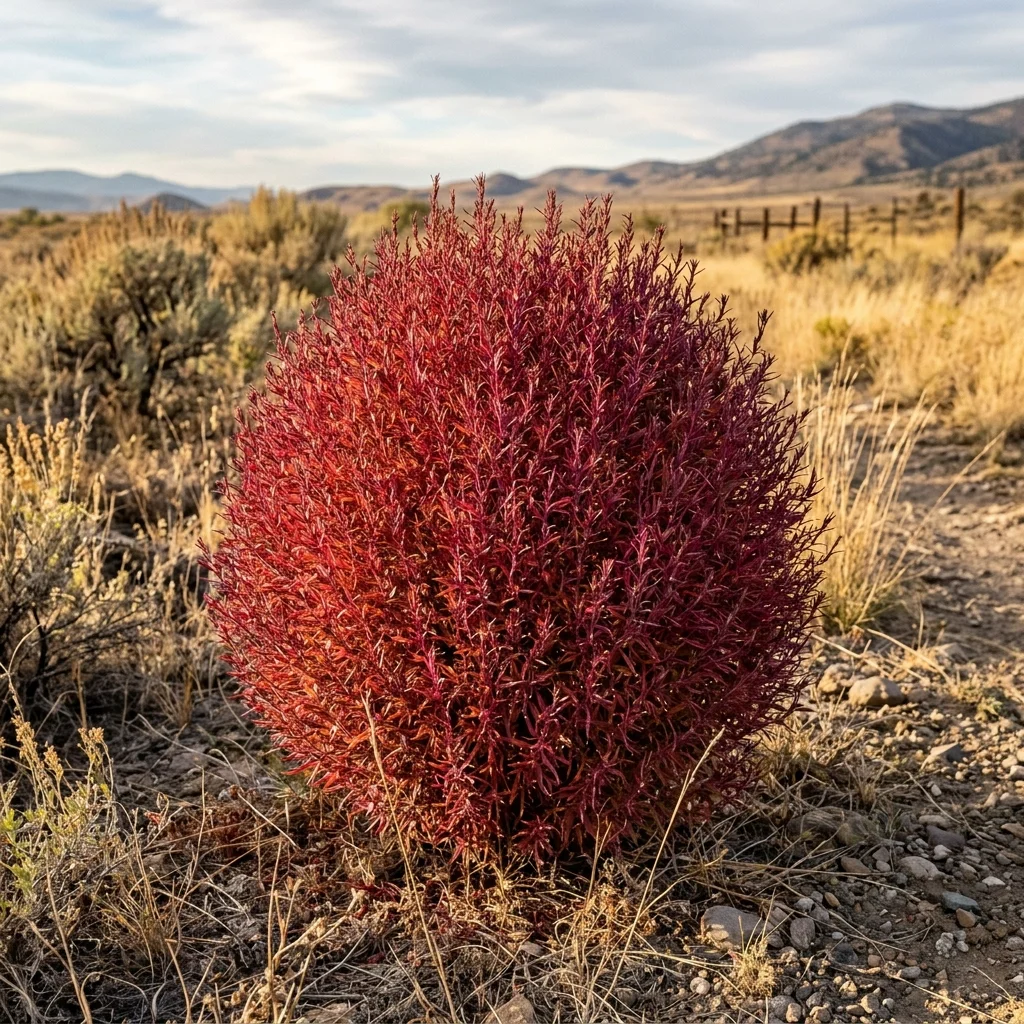
Kochia, also widely known as Fireweed, Mexican Firebrush, or Belinda, is an exceptionally aggressive, highly resilient summer annual broadleaf weed in the Amaranthaceae family. Native to Eurasia but globally naturalized, it is a severe threat to crops and home lawns. It grows into a dense, upright, highly branched pyramidal bush up to 6 feet tall, turning a beautiful, brilliant bright-red or magenta color in autumn. It is highly notorious for its extreme resistance to glyphosate and standard lawn selective herbicides.





How to Identify Kochia
An upright, highly branched pyramidal annual up to 6 feet tall, with narrow, hairy light-green leaves, turning bright magenta-red in autumn.
-
✔
Pyramidal Branching Habit: Grows in a dense, highly symmetrical, upright Christmas-tree shape, branching heavily from the base.
-
✔
Brilliant Autumn Red Color: The entire light-green foliage turns a highly dramatic, brilliant rose-purple or fiery magenta-red in late autumn.
-
✔
Narrow Hairy Leaves: Alternate, lance-shaped leaves (2 to 7 cm long) are covered in dense, soft, white fringe-like hairs along the margins.
Complete Care & Management Guide
Access highly technical, scientific management directives to control or cultivate Kochia effectively.
Common Diseases & Treatment
Glyphosate Resistance
Symptoms: Sprayed chemical weed killers cause zero damage, with the weed continuing to grow aggressively.
Nitrate Poisoning Alert
Symptoms: Kochia accumulates high levels of chemical nitrates, becoming toxic to grazing cattle in late summer.
Frequently Asked Questions
Why is Kochia called 'Fireweed'?
It is named Fireweed because of its dramatic color shift in autumn. In September, the entire bushy green plant turns a brilliant, fiery magenta-red to rose-purple, making it look like a burning bush in dry fields.
What makes Kochia a 'Superweed'?
It has evolved extreme genetic resistance to multiple classes of chemical weed killers, including glyphosate, triazines, and ALS-inhibitors, due to decades of agricultural sprays. This makes physical extraction the most effective method.
Does Kochia roll like Tumbleweed?
Yes. While not as round as Russian Thistle, dry mature Kochia plants can break off at the base during autumn windstorms and roll across the prairie, dispersing seeds over miles.
What is the best way to get rid of it?
Locate the central taproot crown. Slice the root 2 inches below the soil surface using a sharp spade while the plant is still small (under 6 inches) in late spring. Mulch the area heavily to block seed light.