Allium sativum

Garlic Growing & Harvesting Guide

Garlic (Allium sativum), the pungent treasure of the home garden, is a highly rewarding crop to cultivate. Prized for its flavorful bulb cloves and long-lasting storage qualities, this hardy allium requires a long, cold winter dormant period to trigger cloves splitting.


Sunlight Icon
Sunlight Full Sun (6+ hours)
Watering Icon
Watering Consistent / Deep
Soil Mix Icon
Soil pH Rich, Fast-Draining (pH 6.0-7.0)
Temperature Icon
Target Temp 5°C - 25°C
Toxicity Warning Icon
Toxicity Toxic to Pets (Allium content)
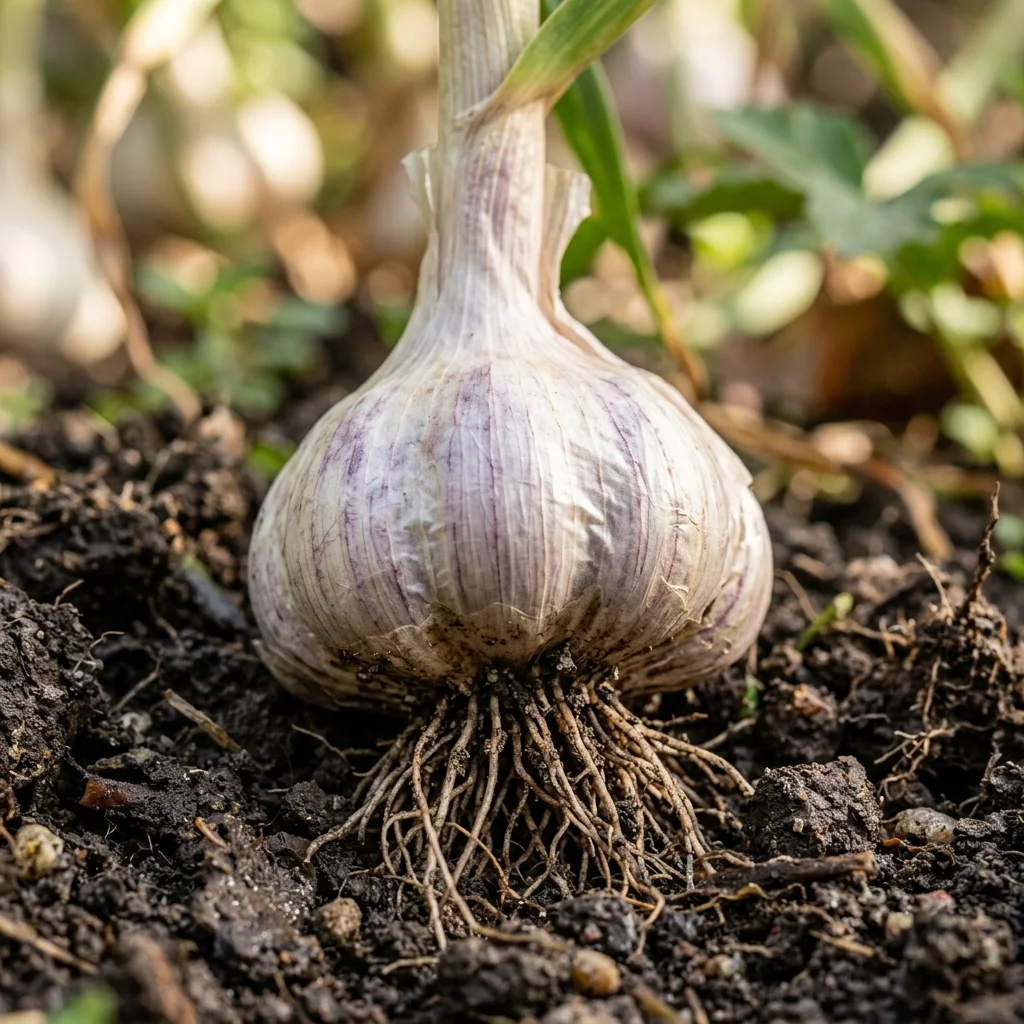
Botanical macro photography of Garlic (Allium sativum) - Plant AI care database

How to Identify Garlic

Garlic (Allium sativum) is a highly valued edible crop globally. Recognizing its definitive vegetative and fruit/vegetable structures is key to successful companion growing and harvesting.

  • Key Visual Features: Erect, slender herbaceous plants with flat, grass-like grayish-green leaves.
  • Leaf & Stems: Sturdy, hollow central stalks (scapes) developing in spring; papery flower bracts.
  • Fruit/Edible Part: A composite bulb made of multiple dry, papery-wrapped segment cloves, highly pungent.
💡 Plant AI Tip: Snap a photo with Plant AI to identify garden veggies and diagnose leaf spot diseases in 1 second.

Complete Growing & Harvesting Guide

Follow our detailed scientific agricultural cultivation guide to keep your Garlic thriving and high-yielding.

Water deeply once a week, receiving 1 inch of water. Ensure soil dries slightly between waterings; garlic is prone to rot in soggy clay.
Prune away spring flower stalks (scapes) at first curl. This directs all vegetative energy downwards into sizing the bulbs.
Heavy nitrogen feeder. Apply organic blood meal or compost in early spring once green shoots emerge from winter sleep.
Demands absolute full sun, requiring 6+ hours of direct light daily. Vital for high photosynthesis and sizing cloves.
Deep, fertile sandy loam with sharp drainage. Extremely intolerant of waterlogged heavy clay beds; build raised beds if clay is present.
Plant separate cloves in late autumn (October/November). Bury cloves 2 inches deep, pointy end up, spaced 6 inches apart.
Extremely hardy. Requires a cold winter dormant period (春化作用/vernalization below 10°C) to trigger bulb cloving.
Space garlic cloves 6 inches apart in rows spaced 12 inches apart to prevent canopy overlap and allow sun to hit lower stems.
Watch for onion thrips and nematodes. Apply organic neem oil under foliage and keep beds free of weeds.
Susceptible to White Rot and Downy Mildew. Practice 4-year crop rotation and ensure excellent soil drainage.
Harvest in mid-summer when the bottom 3 to 4 leaves turn brown and papery, while top leaves remain green. Dig gently.

Is your Garlic leaves turning yellow, spotted or dying?

Protect your kitchen garden. Take a photo with Plant AI to diagnose pests and crop diseases instantly.

Diagnose My Crop

Common Diseases & Treatment

White Rot (Sclerotium)

Symptoms: Foliage turns yellow and dies back, and root base develops a dense white fluffy fungal growth with black poppy-seed galls.

Action: No chemical cure exists. Practice strict 4-year crop rotation, sterilize tools, and discard infected bulbs immediately.

Downy Mildew (Peronospora)

Symptoms: Leaves show pale green elongated spots that turn purple-gray with fuzzy mold in humid, wet spring seasons.

Action: Ensure sharp drainage, wide spacing for wind movement, and spray copper fungicide proactively at first sign.

Frequently Asked Questions

Why is my garlic harvesting as a single onion-like round bulb?

This is a 'solo bulb'. It is caused by inadequate winter chilling (lack of vernalization) or planting cloves too late in spring.

Should I prune or cut the curly garlic scapes?

Yes! Cut scapes in early spring as they curl. They are delicious to eat, and cutting them increases final bulb size by 20-30%.

How long do harvested garlic bulbs store?

After proper curing (drying in a shady breeze for 2-3 weeks), hardneck garlic stores for 4-6 months, while softneck stores for 9-12 months.

Is raw garlic safe for pet cats and dogs?

No. All garlic contains thiosulfates which cause oxidative damage to red blood cells, leading to severe hemolytic anemia in pets.

Harvest bountiful greens. Grow healthy edibles today!

Get Started for Free