Dioscorea

Yam Growing & Harvesting Guide

Yam (Dioscorea), the vigorous climbing giant of tropical root plots, is an exceptionally high-yielding crop. prizes for its massive, nutrient-packed underground starch tubers and trailing clockwise growth, this deep-growing species demands high trellis supports, highly loose sand-loam, and glove-handling care.


Sunlight Icon
Sunlight Full Sun (6+ hours)
Watering Icon
Watering Moderate / Regular
Soil Mix Icon
Soil pH Deep, Loose, Sandy Loam (pH 5.5-6.5)
Temperature Icon
Target Temp 20°C - 32°C
Toxicity Warning Icon
Toxicity Toxic to Pets (Raw/Oxalate content)
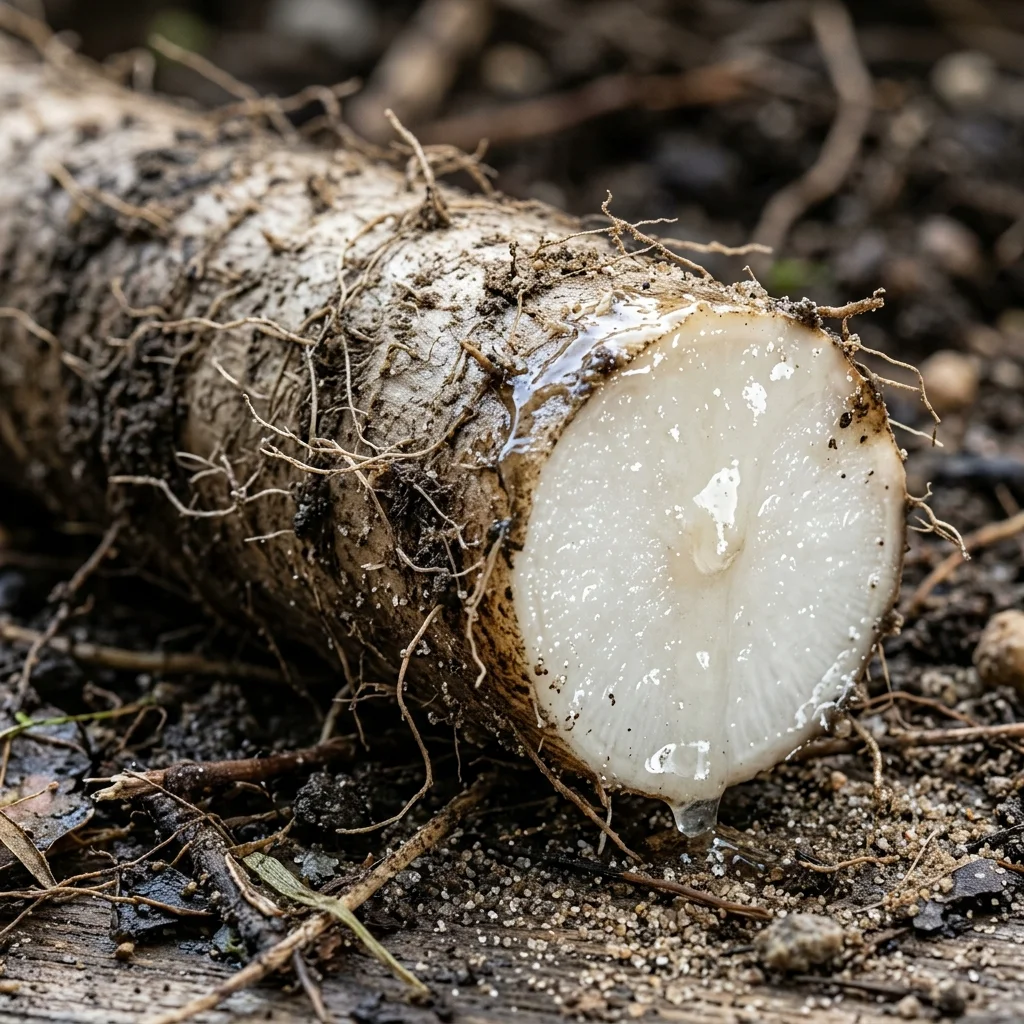
Botanical macro photography of Yam (Dioscorea) - Plant AI care database

How to Identify Yam

Yam (Dioscorea) is a highly valued edible crop globally. Recognizing its definitive vegetative and fruit/vegetable structures is key to successful companion growing and harvesting.

  • Key Visual Features: Vigorous, twin-climbing herbaceous perennial vine winding clockwise up stakes.
  • Leaf & Stems: Heart-shaped dark green leaves; produces small white flowers and aerial tubers (bulbils) in leaf joints.
  • Fruit/Edible Part: Massively long, vertical cylindrical subterranean brown tuber with a slimy white flesh.
💡 Plant AI Tip: Snap a photo with Plant AI to identify garden veggies and diagnose leaf spot diseases in 1 second.

Complete Growing & Harvesting Guide

Follow our detailed scientific agricultural cultivation guide to keep your Yam thriving and high-yielding.

Water regularly, providing 1 inch of water weekly. Maintain consistent moisture, but avoid muddy soil which causes rot.
Provide a tall (6 to 8 feet) vertical trellis or bamboo A-frame. Tie climbing vines early to support massive foliage.
Feed with organic balanced fruit/root fertilizer monthly. Avoid excess nitrogen which restricts root size.
Requires full sun (6+ hours daily) to generate starches and swell the deeply buried root tubers.
Requires exceptionally deep, loose, deeply aerated sandy loam (pH 5.5-6.5). Stiff clay stunts root expansion.
Plant healthy seed tubers or aerial bulbils in late spring, placing them 3 inches deep in high, loose ridges.
Thrives in warm subtropical climates (20°C to 32°C). Frost-sensitive vine, but deeply buried root crown survives light winter freezing.
Space plants 12 inches apart on elevated soil ridges spaced 3 feet apart to facilitate deep root digging.
Prone to aphids, spider mites, and root nematodes. Spray with organic neem oil and practice marigold rotation.
Susceptible to Anthracnose and Tuber Rot. Irrigate at the soil level; keep foliage dry.
Harvest in late autumn when vines shrivel. Dig a deep trench alongside the plant to lift the long, brittle root without snapping it.

Is your Yam leaves turning yellow, spotted or dying?

Protect your kitchen garden. Take a photo with Plant AI to diagnose pests and crop diseases instantly.

Diagnose My Crop

Common Diseases & Treatment

Yam Anthracnose (Colletotrichum)

Symptoms: Leaves and climbing stems develop dark brown to black spots, causing rapid vine dieback and shriveled tubers.

Action: Plant only clean seed tubers, prune lower dense foliage for wind movement, and apply preventative copper fungicide.

Yam Dry Rot (Scutellonema nematode)

Symptoms: Mature harvested tubers develop corky, dry brown decay spots under the outer skin, reducing storage life.

Action: Practice strict crop rotation with marigolds, utilize nematode-free loose sandy beds, and discard infected roots.

Frequently Asked Questions

Why do yams require high soil ridges for planting?

Yam roots grow vertically straight down up to 3 feet deep. Elevated ridges provide deep, loose, stone-free soil that allows roots to swell easily.

What are the small brown 'potatoes' growing on my yam vines?

These are aerial tubers called 'bulbils'. They grow in leaf joints and can be harvested, cooked, or planted in spring to grow new yam vines.

Why does raw yam flesh make my skin itch?

Raw yam contains calcium oxalate crystals (raphides) that act like tiny needles on the skin. Wear gloves when peeling raw yams.

Is yam safe for pet dogs and cats?

Raw yams are toxic to pets due to high soluble oxalates and saponins, causing severe vomiting, drooling, and mouth pain. (Note: Thoroughly cooked, plain yam is safe in moderation).

Harvest bountiful greens. Grow healthy edibles today!

Get Started for Free